The rewatchables
Living in an age of nostalgia

Quiet Canada Day yesterday. A friend in NY texted me that her Peloton class featured “Ahead by a Century” and talked about Gord.
Loved that - but it’s also a sign of the times.
Working in culture, you hear a constant lament that we are in a lost decade. It’s so hard to make new hits. And make a living.
At Paul Wells’ recent live show in Toronto, Rollie Pemberton, aka Cadence Weapon, observed that we are living in a time with no defining culture that could make you say, “Oh, that’s so 2026.” Compare that to even 2015 - or 1984.
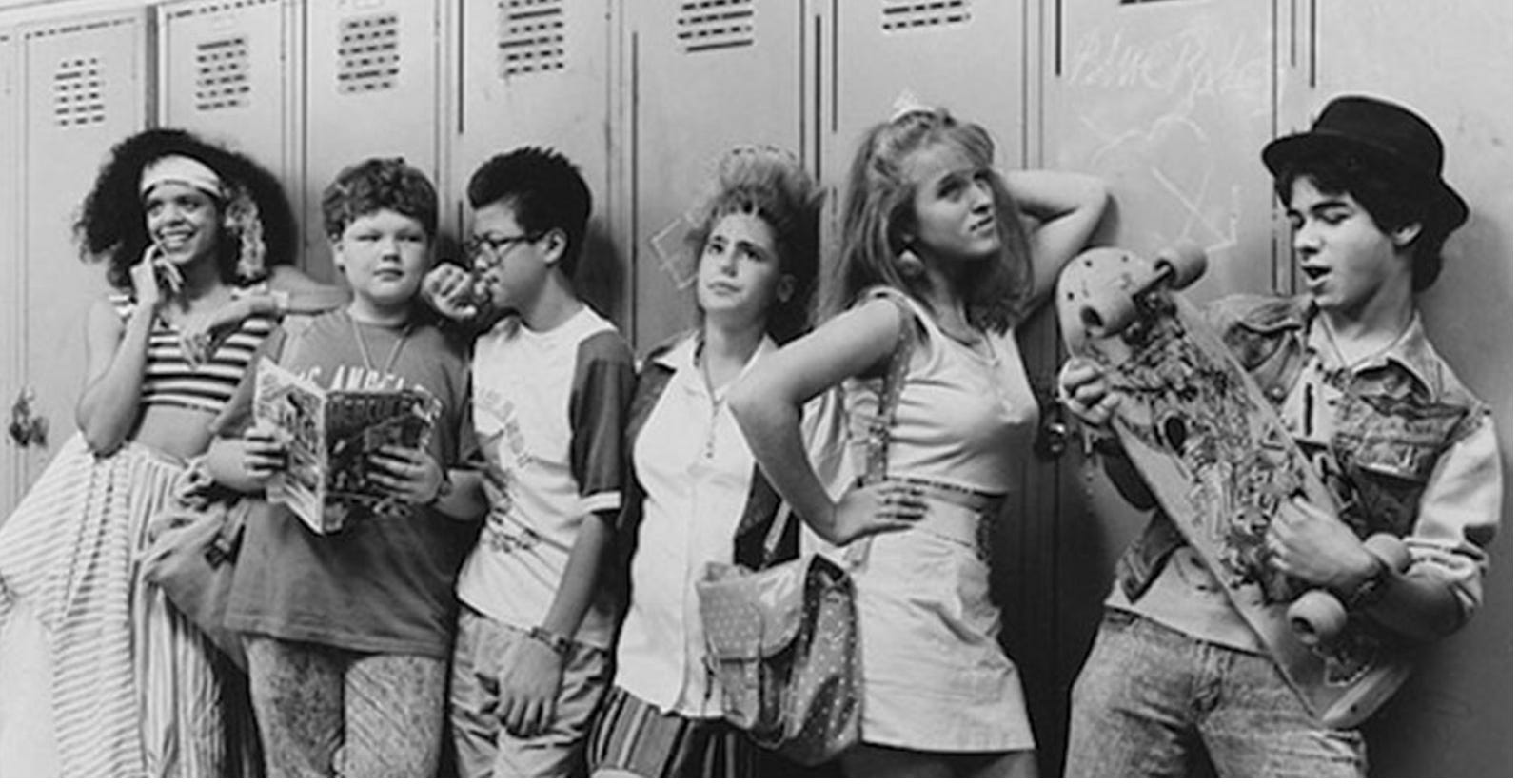
Here’s Degrassi - doesn’t this scream 80s?
Here’s Drake and The Weeknd in 2015 -
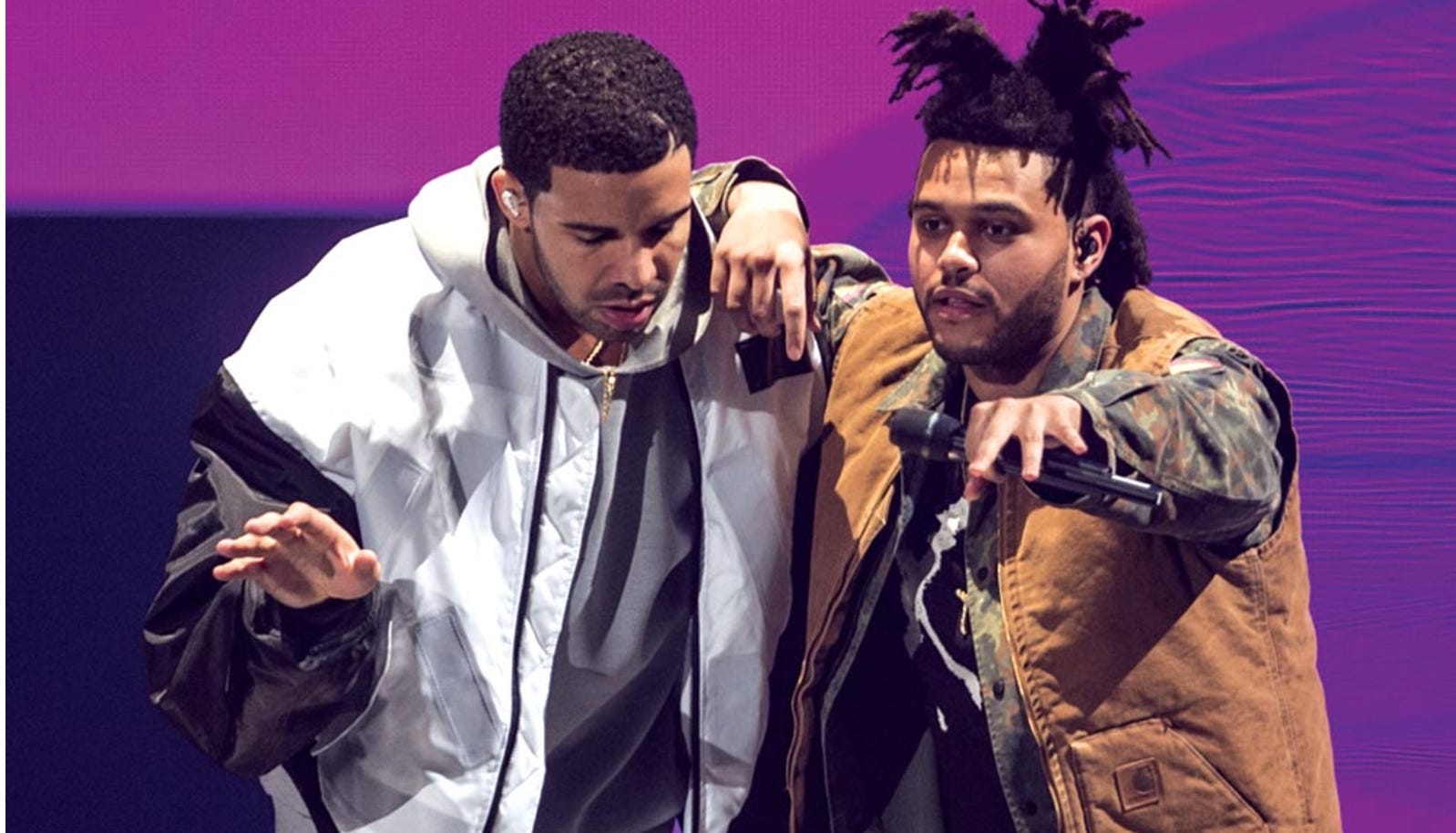
They haven’t changed that much since then - and they are still some of the most streamed artists in the world. Kinda makes Rollie’s point.
In music, a recent report from Luminate included a startling statistic: youth ages 13-24 are listening to more music from before 2020 than from this decade.
Link - https://luminatedata.com/reports/retro-revival-2026
On TV it’s equally striking. “Grey’s Anatomy” is the most-streamed show for adults in the US - and, weirdly, “Gunsmoke” (1955-1975) was Nielsen’s most binged title of the year, again in the US.
https://variety.com/2026/tv/news/bluey-ratings-record-2025-nielsen-1236643454/
Pick your cultural endeavour - fashion, movies, literature. The back catalogue has captured the hearts and minds of young and old alike.
In some ways, it’s easy to understand - every year there’s a new generation coming of age that’s never watched “Seinfeld” or listened to Nirvana. There is a lot of pretty agelessly awesome stuff at our fingertips.
The algorithm is better and better at serving it up.
Spotify, for example, has a new prompted playlist where you can tell it the kinds of podcasts or music you like, and it will generate one for you automatically in the app.
https://newsroom.spotify.com/2026-04-07/prompted-playlist-for-podcasts-launch/
This removes friction from discovery, but it also rewards content that’s been in the marketplace and has likes, plays and views.
And, of course, once you become a brand, you have the money to keep yourself on top - building more likes, views and even unprompted searches.
So what is someone trying to break in supposed to do?
You can take hope from the box office this season. YouTubers like Parsons (age 20) and Barker (26) trounced Spielberg (79) and Supergirl (character debuted in 1959).
Yes, Toy Story 5 ruled them all - but it seems to indicate that on stuff that genuinely gets people excited enough to leave the house and spend real money, they also want new stuff - not just reliable favourites and nostalgia.
YouTubers - and podcasters and influencers - generally work on some kind of accelerated word of mouth.
Talking with friends and some of the people I work with my creative advice is always the same: to the point it sounds banal. Make something someone will rave to their friends about.
https://soundsprofitable.com/article/the-three-most-important-stat/
One line from this new study from Sounds Profitable on the podcast market stands out - in news podcasts, 83% of those surveyed by Sounds Profitable are likely to listen to a podcast personally recommended by someone they know. Old-fashioned word of mouth rules.
My instinct is that this is the way to break in across all media these days. Think like an artist - make stuff that pleases you and the people you care about first.
What’s great for creators is that big companies don’t have the capacity to start small and figure out the new new thing. They will jump on once you’ve proven it works.
Pretty much everything that’s filtered up from the world of YouTube and podcasts is a bit weird. Try pitching the idea of celebrities eating spicy food during an interview at a network development meeting. Yeah.
However, once it’s already proven IP, it can become an anchor for a global behemoth like Netflix. Sean Evans’ spinoff of his YouTube hit, “Hot Ones,” premieres on Netflix this month with an appearance from Will Ferrell.
https://www.nytimes.com/2026/06/22/business/media/hot-ones-sean-evans-netflix.html
Of course, most creators face a challenge: how to build their audience to a point where it can be genuinely scaled to the next level through a partnership with a traditional media company.
Most won’t - so the trick is to figure out a different business model. But for the culture as a whole, it’s the TikTokers, Instagrammers and podcasters who are actually driving the innovation. Live streaming. Unboxing. Makeup tutorials. The only genuinely new narrative formats have come from social media over the past 15 years.
No wonder under-35s get their news from content creators more than traditional outlets.
For teens and pre-teens, the viewing habits are permanently digital. The change has been happening for years, but it hasn’t always caught up with us olds. I was at an event at CBC recently, and there were some news producers angrily denouncing the “self-serving” influencers from a Finnish Public TV dating show we were all watching - while not seeming to be bothered by the self-serving politicians, lobbyists and journalists who grace their air every night.
So, lament the lack of creativity and newness - it’s troubling on some levels. But don’t ignore the massive cultural creation happening on our phones and computers.
And if you’re a traditional creator - or someone who wants to influence public discourse - it’s time to genuinely engage before you’re completely irrelevant.
Ad people can skip this next part - you already know it - but here’s a chart to show you why the “creator economy” is growing into a multi-billion-dollar industry that’s likely to dwarf TV and everything else.
It’s from an influential article by marketing guru Andrew Tindall in “The Drum” - a global marketing magazine. It’s UK-focused data, but the trendline seems solid with everything I’ve read elsewhere.
His headline - “What if we’ve been using creators all wrong?”
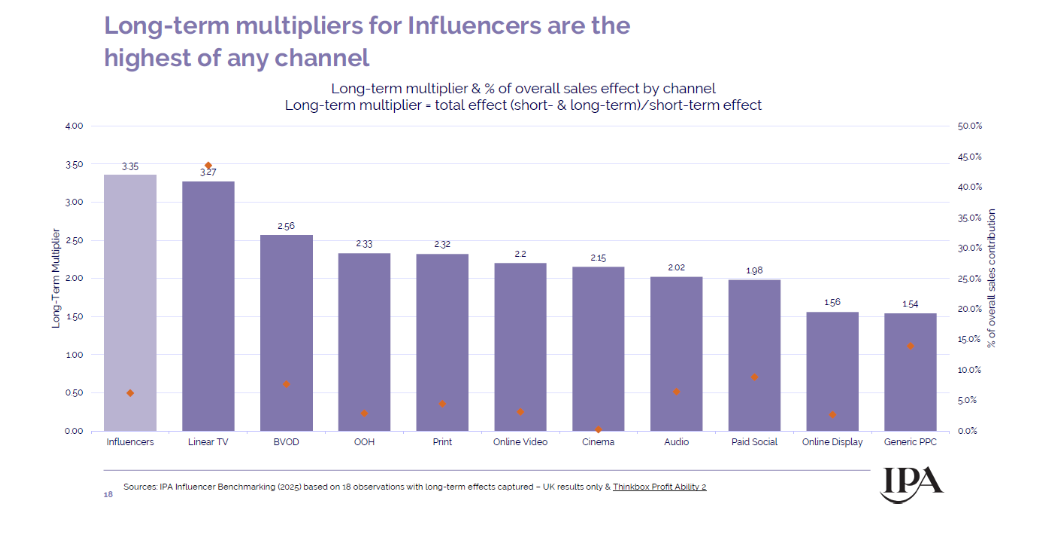
Take a second to digest this: influencers drive more sales for marketers over the long term than any other marketing channel. Better than TV. Than billboards. Than paid social.
You have to stick with it to make an emotionally consistent relationship with your audience. Do that, and it’s the best investment a company can make.
It’s why money is flooding into the creator space.
This should be really energizing for working writers, filmmakers, journalists and their industries. Money and audiences always shape new modes of expression.
“Don’t tell me what the poets are doing
On the street and the epitome of vague
Don’t tell me how the universe is altered
When you find out how he gets paid, alright”
“Poets” Tragically Hip, 1998
I’m a 50-something straight white guy, born in Ontario - so the Hip regularly blasts on summer road trips, backyard patios and in the kind of sports bars I frequent. (You don’t have to be my demographic to be a fan, but it helps…)
Great memories - great music. But I don’t want to live in a culture where we aren’t talking about our current concerns and engaging with new and urgent voices - and they need to be listened to - and paid.
Why are all the “influencers” as phoney as Ted Baxter? I don’t think we’ve “innovated” anything. It’s just another hackneyed format copied ad nauseum. The last “innovation” in online media was Suck.com. And as its creators said, “We designed it to be as easy to read as a one page fax.”
Human or AI influencers?